

The Righteous Brand Collective: The Way Members Are Crafting a Movement
The real story of We Are Righteous takes shape right where the wearers who carry it bring it into the world at large, because a clothing label is only as powerful as such a following. It is not a label constructed solely through ad budgets norcelebrity seeding. Instead, it is a label formed in comment feeds, in private group threads, in secondary-market threads, and in the manner people call each other out under a single righteous hoodie post. Community has emerged as the driving force, and the merchandise is just the reason people gather. If you examine carefully how this community formed, it becomes clear there is a pattern that mirrors other long-lasting streetwear labels: a handful of early devotees who converse, clash, and in time win strangers over as customers.
What makes this certain community fascinating is how vocal it is about honesty. Members don’t merely share outfit pics; extended, uncompromising review threads get written, breaking down the stitching, the fit, and the post-ten-wear wash results. That level of scrutiny is unusual, and it has forced the brand to stay accountable in ways that pure marketing never could. Buyers, in practice, jointly oversee quality control, producing a feedback cycle — and attention gets paid by the brand given that the community serves as the distribution channel.
Our Community’s True Home
This is by design: the brand’s audience spreads across a handful of distinct digital hangouts instead of converging on one dominant platform.
The Instagram channel carries the look-and-feel, with fans uploading style snapshots and flagging the official account for the possibility of getting featured.
Discord-like righteous pullover hoodie community threads and closed discussion boards host the deeper conversation, where restock timing, sizing quirks, and what’s coming next get analyzed sentence by sentence.
Discussions on Reddit and independent blogs now and then turn up a review of we are righteous that explores more technical depth than a product page ever would.
Inbox-based lists continue to count here also, which throws off anyone who assumes the younger crowd tunes out email. Getting first crack at limited runs is more often than not the top reason behind people joining the list, as the fanbase knows from experience that righteous apparel drops sell through fast and rarely restock in the same color version. This isn’t artificial hype cooked up for attention; it’s rooted in truly small manufacturing batches, and followers regard that as a serious matter. Missing a drop by six minutes has become something of a running joke in fan circles, half frustration and half badge of honor.
In several cities, enthusiasts—instead of the label itself—have started organizing informal local meetups. These are small meetups, at times under twenty attendees, organized around exchanging garments, sizing up fit between various drops, and capturing looks as a group. It is bottom-up in the purest sense, and it tells you a great deal about loyalty when individuals organize their own events around a fashion brand without being asked.
Community-Created Content as the Real Promotional Engine
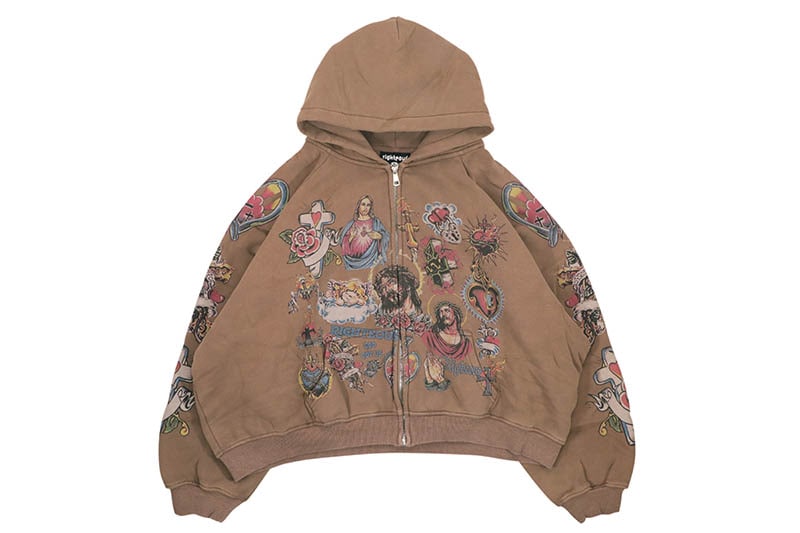
Anyone paying attention to street fashion will say the same thing: fan-made content now surpasses sponsored ads for brands this early in their development. We Are Righteous profits significantly from this phenomenon. Just one nicely captured photo of the righteous hoodie combined with contrast outerwear can generate more engagement than a studio campaign, purely because it originates from a person the community already trusts. Customers are not compensated promoters in the majority of instances; they are buyers who appreciated how a piece sat on them and wanted to show it off.
Such material also does something a brand’s own imagery cannot: it shows actual bodies, real lighting, authentic everyday context. Someone wearing a garment on a daily commute, at a event, or on a weekend getaway demonstrates fit and flow more convincingly than a controlled studio shot. That genuineness is exactly why so many buyers now look up a righteous review before buying anything, favoring a third party’s honest take over marketing copy. The fanbase has essentially become the brand’s most convincing sales team, unpaid but deeply committed.
There is also a knock-on effect worth mentioning. Content made by fans frequently stacks up pieces against other labels they own—unintentionally generating unpaid competitive analysis for onlookers. A shopper researching righteous clothing brand quality can, within a few swipes, see it compared against a handful of other names in the same price bracket. Suchtransparent, informal comparison shopping did not exist in fashion a decade ago, and it has set a higher standard for everyone, including this brand.
Comparing How Fan Communities Interact
Streetwear communities differ quite a bit, and grasping those distinctions helps explain why the We Are Righteous fanbase feels distinct. The table below contrasts overall interaction patterns across three typical community types in this category, based on documented activity rather than brand claims.
| Community Type | Leading Platform | Core Activity | Usual Posting Rate |
|---|---|---|---|
| We Are Righteous fan community | Instagram platform + private chat groups | Outfit checks, release alerts, candid reviews | Multiple times a week around drops |
| Large mainstream streetwear community | TikTok | Trend-driven hauls, unboxings | Every day, high volume |
| Niche resale/collector community | Forums and Discord | Authentication, price tracking, trading | Ongoing, nonstop, low visual output |
This comparison shows that the We Are Righteous community sits somewhere between the high-frequency chaos of mainstream trend culture and the quieter, more technical world of collector forums. It is visual enough to feel current but detailed enough to feel trustworthy, and that balance is not something a brand can fully engineer on its own.
How Customer Voices End Up Shaping the Design Itself
Its choices are influenced directly by fan input, something that goes underappreciated across this community landscape. Fit-related gripes raised in a review thread have in the past led to adjusted fit notes on subsequent product pages. Calls for restocking on specific pieces get tracked informally by fans themselves, who then flag the brand directly when interest reaches a noticeable threshold. What this amounts to is not a formal focus group process; it is closer to an ongoing, unstructured conversation that happens to influence real outcomes.
When a limited drop of the righteous hoodie sells out within hours, supporters publicly call for its return, and those requests accumulate in comment sections until they are hard to ignore. Choices about colorways especially appear to answer to fan feedback, and whether or not every request gets fulfilled, the visibility of that demand shapes how future runs get planned. Compared with the traditional top-down fashion model most people grew up with, this is a much more open relationship between shopper and label.
Fit consistency has emerged as a particularly common subject shoppers bring up. As the community cross-references multiple buys, patterns show up quickly — whether an item fits as expected, runs a touch large, or works best layered. Ahead of checkout, first-time buyers researching righteous clothing tend to depend on these shopper-gathered sizing notes above the official size chart alone, using the group’s consensus as a second layer of confirmation.
The Takeaway for 2026
Rather than weaken, the collective vibe seems bound to grow stronger as the brand moves further into 2026. More cities are seeing informal meetups form, a growing number of independent reviewers are publishing detailed breakdowns, and more first-time buyers are showing up already readied by someone else’s honest we are righteous review rather than cold advertising. Compared to what most fashion brands experience, this shopper experience is meaningfully different — and it places demand on product quality to continue keeping pace with the conversation happening around it.
There’s likewise an increasing sense of anticipation among the fanbase that the label will keep listening, not just churning out product. When feedback sparks an update, fan communities shaped by this kind of engagement anticipate recognition—however minor, such as a caption nodding to a widely-made ask, because silence doesn’t sit well with them. Because people stay invested in labels that openly react to them, this dynamic intensifies the pressure while also deepening loyalty.
When it comes down to it, the vibe that’s grown around We Are Righteous has been constructed less by campaigns and more by conversation. Rather than any single campaign, it’s shoppers swapping fit notes, sizing debates, self-organized meetups, and unsponsored reviews that have actually built the brand’s identity. Since ongoing trust is its whole basis, this organic base is delicate in certain respects—and still it holds up with unusual resilience. Since self-made communities tend to protect their own creations, that pattern will probably continue to define the brand far beyond this year.